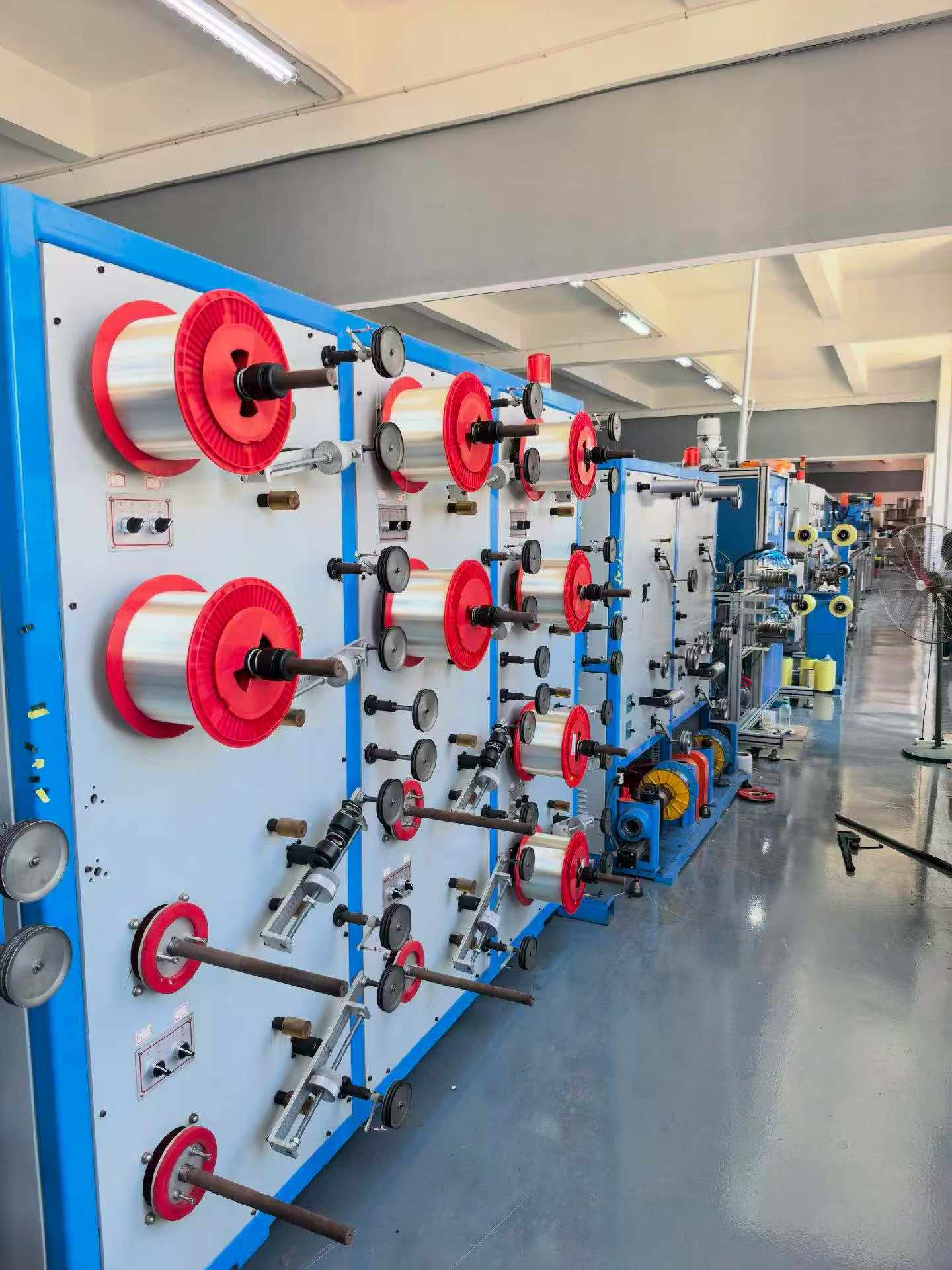
Typical Requirements
- Stable fiber tension control
- High-speed processing
- Accurate fiber positioning
- Consistent cable geometry
- Reliable material compatibility
- Optical performance control
Application & Procurement Hub
Explore manufacturing equipment, materials and optical components for fiber cable production, secondary fiber processing, UAV/FPV fiber spool manufacturing and telecom / FTTx applications.
Application 01
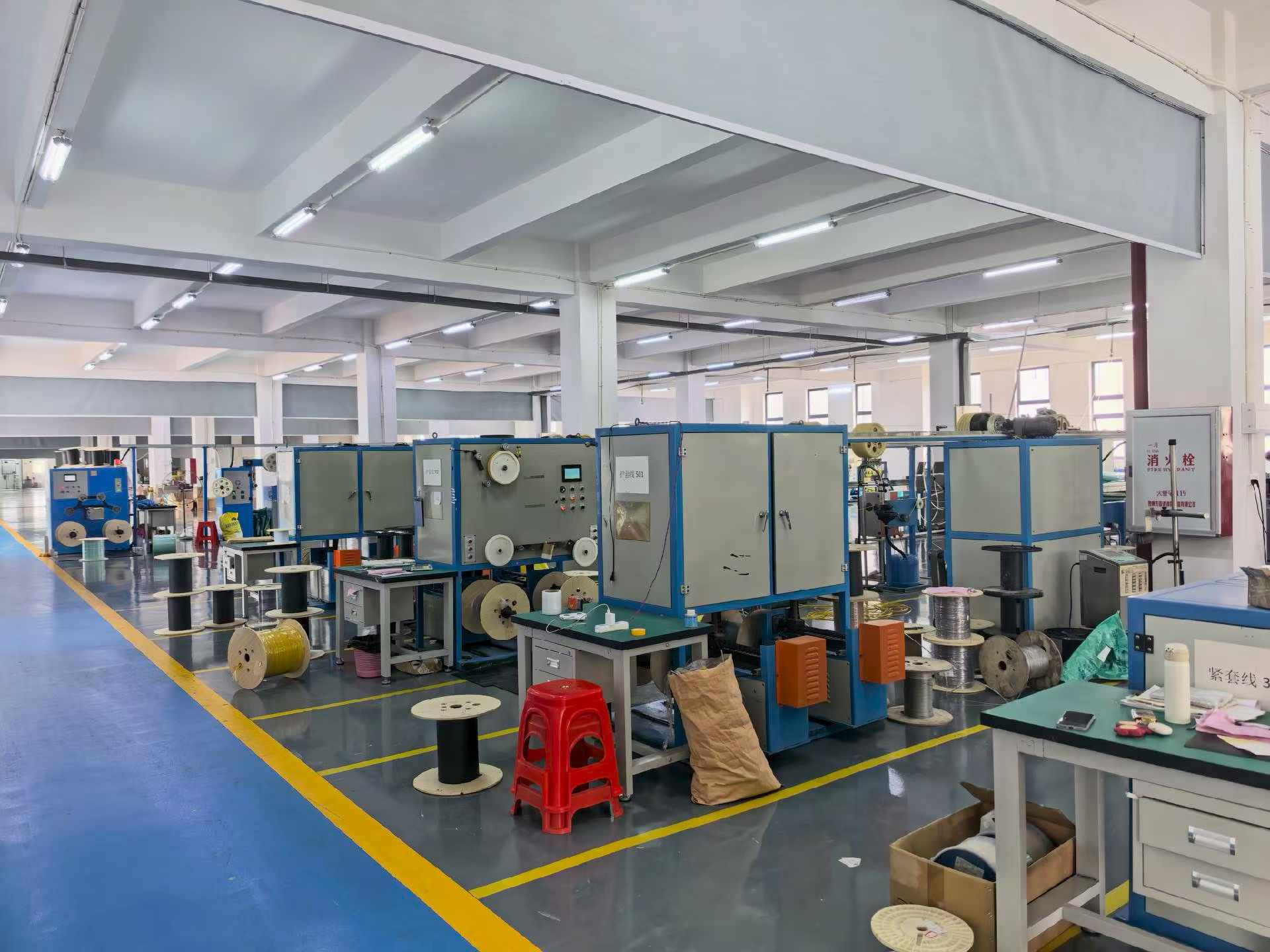
Fiber cable manufacturing requires precise fiber handling, buffering, stranding, reinforcement, jacketing and quality control. Production equipment and materials must be selected according to cable structure, fiber count, application environment and production capacity.
Plan equipment, materials and consumables for this manufacturing application →
Explore Fiber Cable Manufacturing ProductsApplication 02
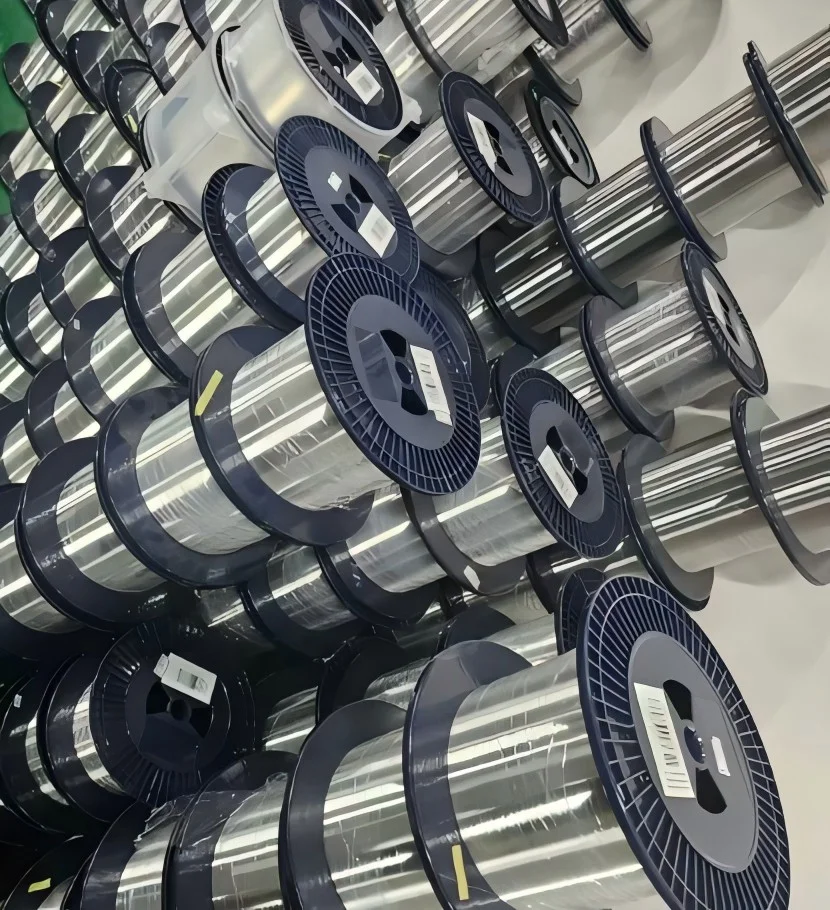
Secondary fiber processing covers manufacturing processes performed after optical fiber drawing, including coloring, tight buffering, coating, ribbon processing and related preparation before cable manufacturing or connector assembly.
Plan equipment, materials and consumables for this manufacturing application →
Explore Secondary Fiber Processing ProductsApplication 03
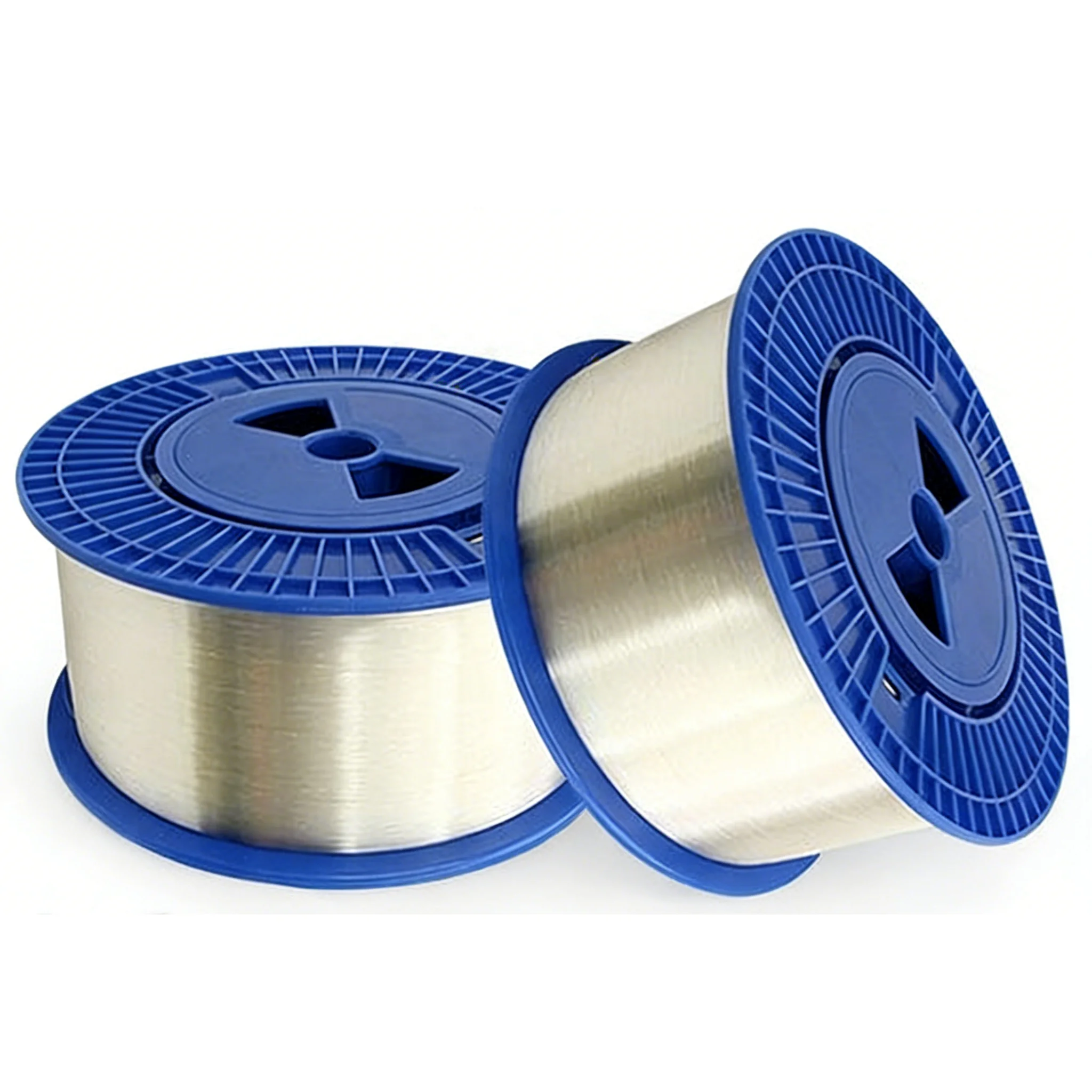
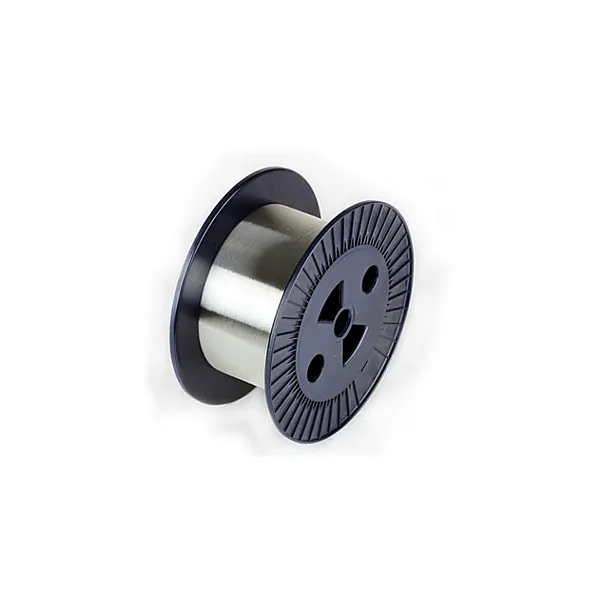
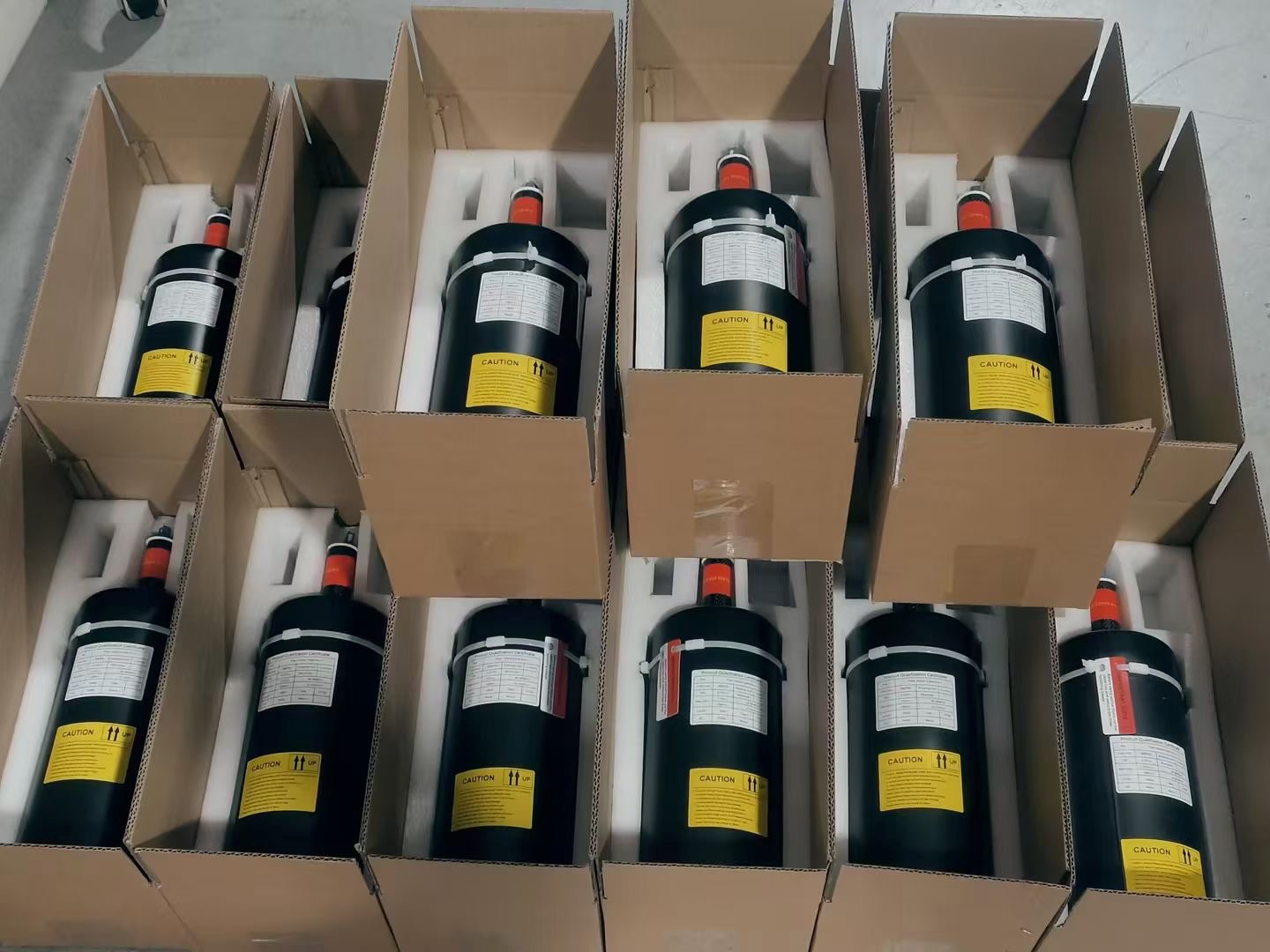
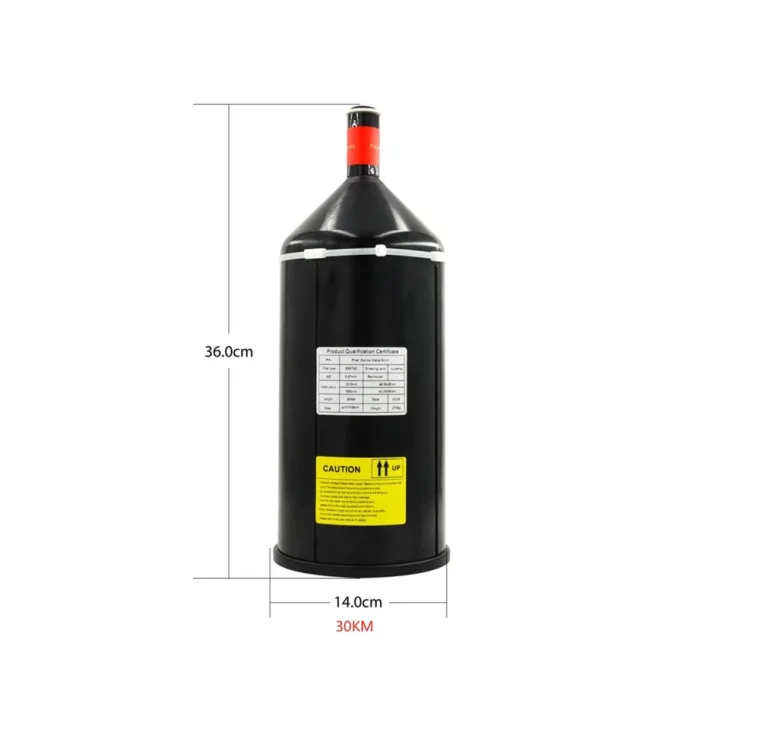
UAV and FPV fiber spool systems require lightweight optical fiber, long continuous lengths, controlled winding and stable optical performance during deployment.
Plan equipment, materials and consumables for this manufacturing application →
Explore Fiber Spool Materials & EquipmentApplication 04
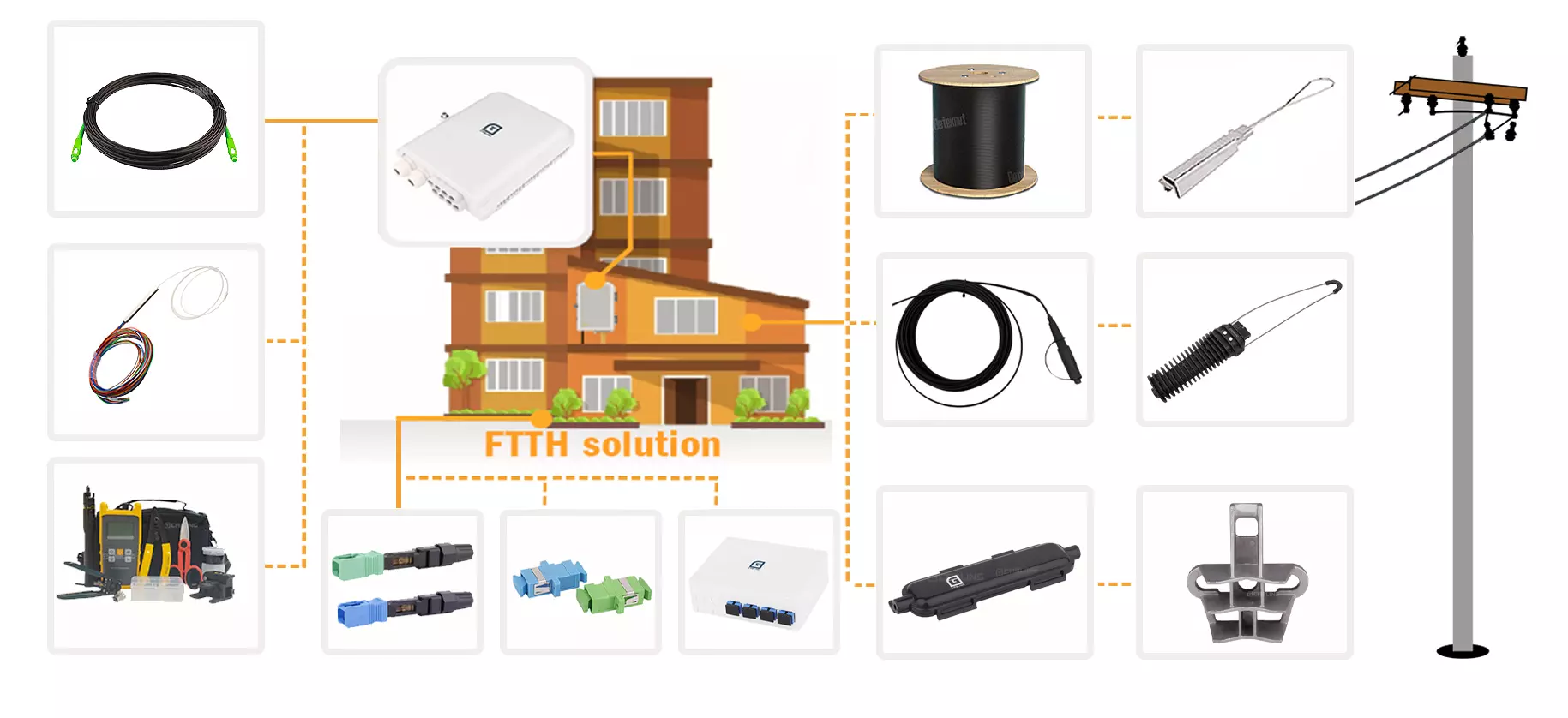
Telecom and FTTx manufacturing requires reliable optical components, connector solutions, passive devices and production tools designed for high-volume deployment and field installation.
Plan equipment, materials and consumables for this manufacturing application →
Explore Telecom & FTTx ProductsCompare the primary manufacturing need, typical equipment and material groups for each application.
| Application | Primary Manufacturing Need | Typical Equipment | Typical Materials |
|---|---|---|---|
| Fiber Cable Manufacturing | Cable production and quality control | Coloring / buffering / stranding / testing equipment | Optical fiber / jacket materials / components |
| Secondary Fiber Processing | Fiber preparation before cabling or assembly | Coloring / coating / buffering equipment | Optical fiber / UV ink / buffer materials |
| UAV / FPV Fiber Spool | Long-length lightweight optical transmission | Rewinding / tension control / winding systems | G.657.A2 optical fiber |
| Telecom & FTTx | Connector and passive optical product manufacturing | Polishing / inspection / IL-RL testing | Ferrules / connectors / passive components |
Fiber cable production commonly uses fiber coloring, buffering, stranding, strength-member integration, jacketing and optical testing equipment. The exact line depends on cable structure, fiber count, production speed and quality requirements.
Secondary optical fiber processing covers coloring, coating, tight buffering, ribbon formation and other preparation performed after fiber drawing and before cable production or connector assembly.
Common materials include optical fiber, UV ink, buffer compounds, strength members, water-blocking materials, jacket compounds and cable components. Material selection depends on cable design and operating environment.
Long-length spool applications generally require low-attenuation optical fiber supplied in suitable continuous lengths. Fiber diameter, coating, bend performance and winding conditions must be matched to the spool design.
G.657.A2 is a bend-insensitive single-mode fiber category designed for improved macrobending performance. It can support tighter routing than standard single-mode fiber, subject to the selected product specification and spool design.
Connector production typically requires cable preparation and stripping tools, assembly and curing equipment, polishing machines and fixtures, end-face inspection, geometry measurement and IL/RL testing.
Common equipment includes end-face inspectors, fiber microscopes, interferometers, insertion loss / return loss testers, optical power meters and related production test fixtures.
Yes. A procurement request can combine production equipment, optical fiber, connector components, cable materials, polishing consumables and testing instruments. Specifications and availability are confirmed for each item.
Technical references for manufacturing processes, equipment selection and optical material requirements.
Tell us your manufacturing process, production capacity, fiber type or technical requirements. We can help identify suitable equipment, materials and optical components.