About Fiber Optic Material
Find equipment, optical fiber and manufacturing materials that fit your production requirements — with help to compare specifications, check compatibility and clarify what to confirm before ordering.
For manufacturing and procurement teams: start with your product, process and quality targets, not a list of model numbers.
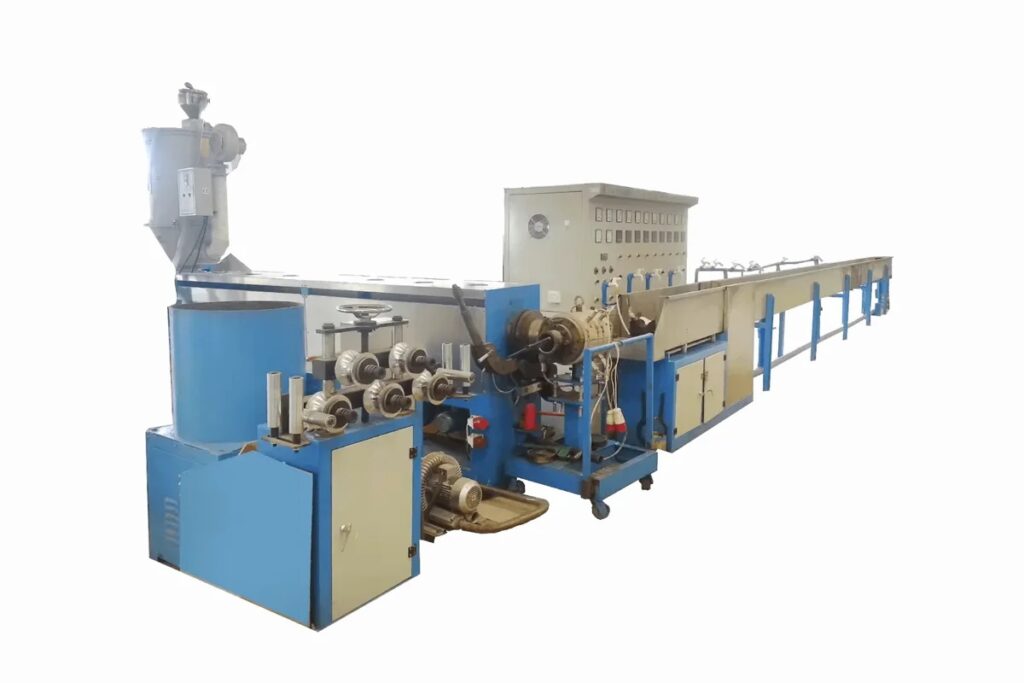
Support for Your Manufacturing Decisions
When you are comparing fiber optic suppliers, the key question is whether the proposed equipment and materials fit your production. Fiber Optic Material helps manufacturers, distributors and procurement teams turn that question into a clearer sourcing requirement.
Behind Fiber Optic Material is Shanghai Jinghaotong, a fiber optic cable manufacturer and optical fiber supply partner. That manufacturing background gives your sourcing discussion a practical starting point: fiber specifications, production requirements and the information needed to assess a purchase.
Find a Relevant Starting Point
Describe what you manufacture — fiber cable, connectors, patch cords or optical components — so the discussion stays focused on your process rather than unrelated industrial products.
Check Fit Before You Commit
Compare equipment and materials against your fiber or connector type, production stage and quality targets. Identify compatibility questions before they become purchasing assumptions.
Make Your Inquiry Actionable
Bring your specifications, quantity and documentation needs into one discussion. A clearer inquiry helps your engineering and purchasing teams evaluate the same requirement.
What You Can Get Help With
Narrow Down Suitable Options
Turn your production requirement into a focused shortlist of equipment, materials or components, rather than sorting through model names alone.
Clarify Compatibility Questions
Discuss how fiber types, connector components, fixtures and equipment configurations need to work together. Confirm the details that matter to your process before ordering.
Know What to Ask and Verify
Use practical selection information to identify missing specifications and ask for relevant datasheets or test documentation where available. Product suitability should be checked against your own acceptance requirements.
Coordinate the Purchasing Details
Clarify quantity, destination, required documents and delivery expectations with the supply partner. Availability, lead time and shipment requirements need product-specific confirmation.
Problems We Help Fiber Optic Manufacturers Solve
Too Many Separate Suppliers
Equipment, components, consumables and testing tools often come from different sources. We help clarify the procurement scope and coordination needs.
Complex Equipment and Material Selection
Connector types, production volumes and quality targets change the required configuration. We help buyers define selection criteria before comparing products.
Compatibility Between Equipment and Components
Fixtures, ferrules, connectors, polishing systems and testers must fit the same process. Compatibility needs to be checked, not assumed.
Insufficient Technical Guidance
Model numbers and prices alone do not explain a production task. We connect product information with its intended manufacturing use.
Scaling from Trial Production to Mass Production
Higher volumes can change equipment, material supply and process-control needs. We help frame these requirements for sourcing discussions.
Our Approach
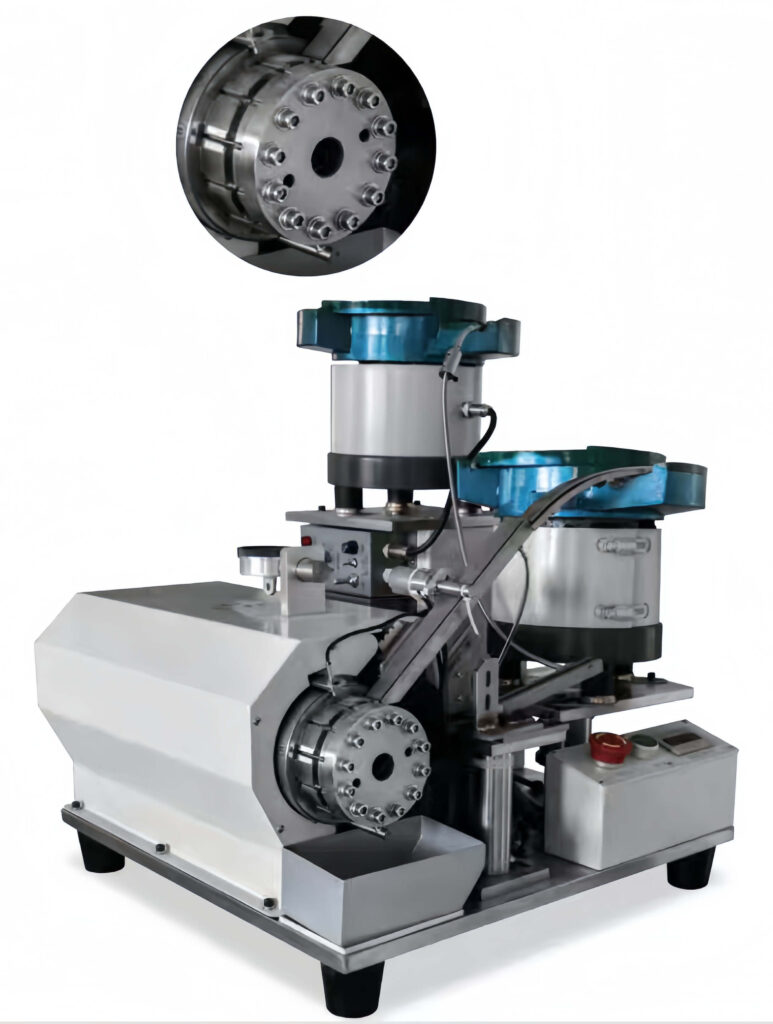
Understand the Manufacturing Process
We begin with what the customer produces and how the production process works.
Match the Technical Requirement
Selection should reflect connector type, fiber type, capacity, quality targets and application requirements.
Connect Products with Applications
Equipment and materials make sense in their manufacturing context, not as isolated listings.
Support Practical Production Needs
We focus on realistic requirements that support production continuity and procurement efficiency.
Built Around Fiber Optic Manufacturing Knowledge
Product sourcing is more effective when technical information is clear. Fiber Optic Material brings product information and manufacturing knowledge together so buyers can understand the questions to ask before purchasing.
The Knowledge Center is the home for equipment guides, material guides, manufacturing process articles, product selection guides and application knowledge.
Industries We Understand
Fiber Cable Manufacturing
Fiber preparation, cabling and production quality requirements.
Fiber Connector Manufacturing
Assembly, polishing and end-face quality considerations.
Patch Cord Production
Connector compatibility, finishing and optical performance.
Specialized Fiber Applications
Long-length fiber handling and lightweight spooling requirements.
Why Fiber Optic Material Exists
Finding one product is often easy. Finding the right combination of equipment, materials and technical information is more difficult.
Fiber optic manufacturing depends on many technologies and specialized suppliers. Fiber Optic Material exists to make the sourcing conversation clearer by bringing manufacturing products, application knowledge and practical technical information into one focused B2B resource.
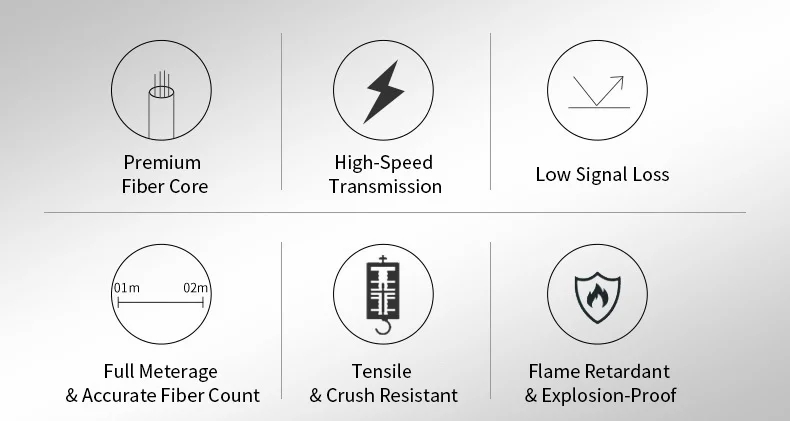
Supporting Global Fiber Optic Manufacturers
Fiber Optic Material is built for international B2B sourcing and technical communication. Available documentation and shipment requirements depend on the product, supplier and destination.
Technical Communication
Clear discussion of specifications, applications and production requirements.
Product Documentation
Datasheets, test reports and technical files where available and applicable.
International Procurement
Support for sourcing scope and purchasing communication.
Export Coordination
Shipment documentation and export-related requirements where applicable.
Explore Fiber Optic Material
Manufacturing Supply
See how equipment, materials and components can be coordinated.
What We Value
Technical Accuracy
Use clear, technically meaningful information and distinguish confirmed specifications from assumptions.
Product Compatibility
Pay attention to how equipment, materials and components work together.
Clear Communication
Avoid vague claims and focus on practical requirements and limitations.
Reliable Supply
Discuss availability and repeat procurement needs without promising unconfirmed stock or lead times.
Long-Term Cooperation
Build working relationships around recurring manufacturing and procurement needs.
Tell Us What You Manufacture
Whether you are sourcing equipment, evaluating materials or planning a production process, start with your manufacturing requirement.
Share your product type, application or technical requirement and our team can help identify the next step.